

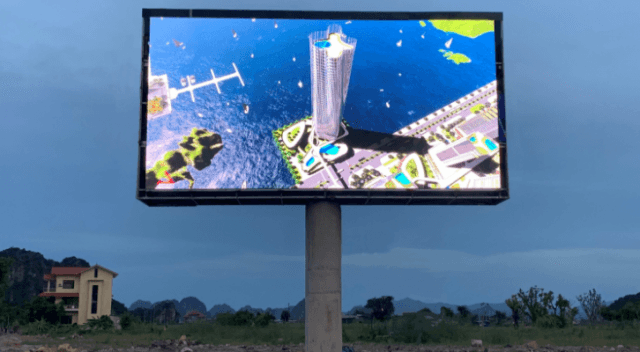
Outdoor advertising has evolved significantly over the past decade. Static billboards and posters are increasingly being replaced by dynamic digital displays that capture attention with vivid colors and moving content. Among these, the digital LED screen has become a standout choice for businesses seeking maximum visibility while managing costs. One of its biggest advantages, often overlooked, is energy efficiency. By reducing power consumption, LED technology not only lowers operating expenses but also makes outdoor advertising more sustainable.
The Shift To LED In Advertising
Traditional billboards rely on printed materials and external lighting, often requiring high-energy floodlights to remain visible at night. In contrast, a digital LED screen generates its own light through energy-efficient diodes. This eliminates the need for external illumination and significantly reduces electricity use.
Advertisers appreciate this shift because it allows them to run campaigns day and night without incurring the same level of energy expense. Over time, the savings on power costs can be substantial, making LED displays a cost-effective alternative for long-term campaigns.
How LED Technology Uses Less Power
The science behind a digital LED screen is simple yet effective. LEDs (light-emitting diodes) consume far less electricity compared to traditional incandescent or fluorescent bulbs. They convert most of the energy they use directly into light rather than heat, making them highly efficient.
Additionally, many LED screens use advanced power management systems that adjust brightness automatically based on ambient light conditions. For example, the display can dim during nighttime hours or cloudy days while still maintaining excellent visibility. This adaptability ensures that energy isn't wasted while still delivering a bright, clear message.
Cost Savings For Advertisers
For businesses running continuous campaigns, energy bills can quickly add up. A digital LED screen minimizes these costs, especially for advertisers with multiple locations or extended campaigns. Lower energy usage translates into predictable and manageable operating expenses, which is a critical consideration for marketing budgets.
Moreover, because LED technology has a long lifespan, advertisers save money on maintenance and replacements. With fewer bulbs to change and less frequent servicing, operating costs decrease further, making the investment even more appealing.
Sustainability And Environmental Impact
Beyond financial benefits, energy-efficient advertising solutions also support sustainability goals. A digital LED screen consumes less power, which helps reduce the carbon footprint associated with outdoor advertising. Many businesses today prioritize eco-friendly practices, and switching to LED signage aligns with these values.
Consumers increasingly notice when companies make environmentally responsible choices. By using energy-efficient advertising platforms, brands not only save money but also enhance their reputation as socially responsible businesses.
Flexibility Of Content
Another indirect way a digital LED screen saves energy is through content flexibility. Instead of replacing entire posters or billboards—processes that consume materials, printing energy, and labor—advertisers can update digital displays instantly. This reduces waste and lowers the environmental impact associated with traditional advertising cycles.
Campaigns can be managed remotely, scheduled in advance, and even adjusted in real time, providing efficiency both in energy use and in logistics. This level of control enhances campaign agility while supporting overall sustainability.
Conclusion
In outdoor advertising, efficiency is as important as visibility. By adopting a digital LED screen, businesses reduce energy consumption, lower costs, and minimize their environmental footprint while still achieving powerful brand exposure. The combination of energy-efficient diodes, adaptive brightness, and long product lifespan makes LED screens a clear choice for advertisers committed to smart, sustainable marketing.
As technology continues to advance, options like a transparent display screen are also becoming more popular. These innovative solutions maintain energy efficiency while adding unique design possibilities, ensuring that advertisers can stand out while keeping sustainability at the core of their campaigns.